RECIPES
Homemade salad dressing greatly surpasses any you can buy in the store. Fresh herbs and lemons, quality oils and full-flavoured vinegars make all the difference. Here are five classic salad dressings to make at home: Honey Mustard dressing, Basic Balsamic Vinaigrette, Italian dressing with fresh herbs, Ranch dressing, and Sesame Ginger dressing.

Five classic salad dressings you can make at home: (left to right) Honey Mustard dressing, Balsamic Vinaigrette, Ranch dressing, Italian dressing, and Sesame Ginger dressing.
read more…
 Whether you use traditional or gluten-free flour, you’ve probably noticed that all flours are not the same. Made from grains, nuts, legumes, roots and seeds, they vary in texture, flavour, density and nutritional make-up. Knowing the qualities of different flours will help you choose the best for the bread, cake, muffin, cookie, pastry, pasta, or sauce you want to make.
Whole grain flours contain protein and other nutrients. People on vegan diets often rely on whole grain flours as a source of protein.
The guide below outlines how to use traditional and alternative gluten-free flours.
read more…
RECIPE
Pumpkin Pancakes are an easy, satisfying way to cook fall pumpkin or squash.

This is easily my favourite way to eat pumpkin. Hot and delicious, these tiny pumpkin pancakes never last long at our house. This recipe works with almost any kind of canned pumpkin or winter squash puree. Or, you can make your own fresh pumpkin puree (see how in this Pumpkin Apple Bread recipe).
read more…
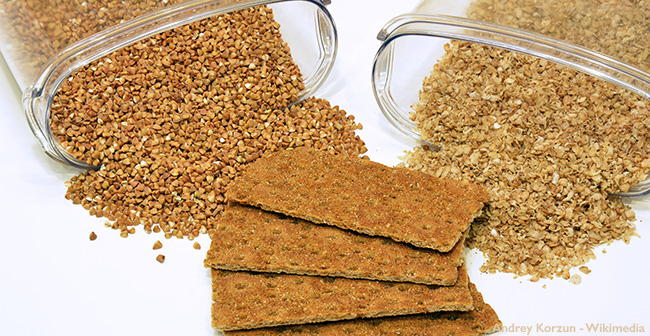
Buckwheat groats (left), flakes, and crackers. Research shows eating buckwheat can increase production of a protein that reduces chronic inflammation and may promote longevity.
Eating buckwheat can help improve SIRT1 protein production, which can increase your life span. Researchers,
writing in the Journal of Cereal Science, showed that buckwheat in the diet stimulates the production of SIRT1 which reduces chronic inflammation and protects body cells. Both are key steps to extending the human lifespan by preventing chronic diseases such as heart conditions and cancer.
read more…
Coriander (or cilantro, as the leaves are sometimes known), may do a lot more than just season your salsa. Scientists in Portugal, testing oil from coriander seeds, found the herb effective against such dangerous bacteria as E.coli and staphylococcus.

read more…
Want to eat more seasonal winter vegetables? Here are nine of our favourite recipes for local in-season veggies in fall and winter.

Seasonal vegetables are the unsung heroes of winter eating. It may surprise you just how many winter veggies are available fresh. If you add in root vegetables, which keep well in storage for several months, you have a wide range of eating and cooking choices for the cold weather season.
Seasonal greens like broccoli or kale are the makings of fresh salads. Beets are versatile for salads and pickling. Potatoes and root vegetables such as carrots and parsnips provide hearty sides. Winter alliums like leeks add flavour.
read more…
RECIPES
Parmesan Garlic Kale Chips • Ginger Basil Kale Chips • Tahini Lemon Kale Chips

Is the Kale Trend Over?
A few years ago when kale was all the rage, kale chips became an instant classic—a healthy snack food to make in minutes. The kale trend has subsided, but as winter comes on each year, we’re reminded why this hardy vegetable became so popular in the first place.
Kale is the quintessential winter vegetable, able to withstand cold temperatures better than just about any other crop. Stroll through any local garden or farm on a freezing day and you’ll see this hardy green thriving in the chill or pushing up under cold frames. Not only is kale able to survive winter weather, it actually becomes sweeter after a frost.
What’s more, these leafy greens are loaded with good nutrition. Rich in vitamin A and vitamin K, kale is also a source of vitamin C, folate, calcium, phosphorus and magnesium.
So, even though the trend is over, I guess this is why people continue to ask for the recipe for these vegetable chips. Below is the basic Parmesan Garlic Kale Chips recipe, and two new flavour variations: Ginger Basil, and Tahini Lemon. Enjoy!
read more…
What is a chayote squash, you ask? Bright green, spiny, pear-shaped chayote squash may just be a new reliable staple crop for BC coastal gardens.

Chayote squash
What makes chayote squash so unusual is that it has a mild taste like a summer squash and the texture of a cucumber, but is able to withstand cool fall temperatures. In maritime south coast British Columbia, chayote squash is hardy on the vine until early November.
read more…
You may have noticed chayote squash appearing at local markets. This unusual bright green, pear-shaped squash has long been cultivated in Mexico and Latin America, and is now making its way to northern grocery stores.
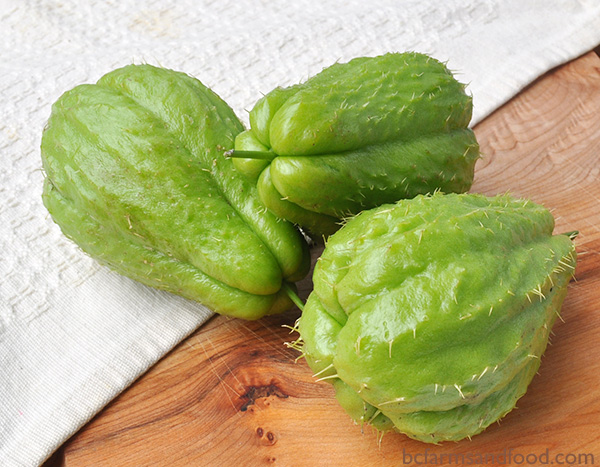
Chayote squash
read more…
New research points to vitamin D as a low-cost way to reduce the severity of coronavirus.
As medicine urgently searches for therapies to treat COVID-19, no vaccine or effective anti-viral treatment is yet available. Two new studies, however, highlight the relationship between low vitamin D levels and COVID-19 death rates, and point to an effective treatment to reduce the severity of the pandemic.

Natural food sources of vitamin D include salmon (above), and mushrooms that have been exposed to ultraviolet light. Vitamin D may be a low-cost way to reduce the severity of COVID-19.
read more…
RECIPE
This is a traditional tried-and-true sweet pickle—wonderful on burgers, sandwiches, mixed into chicken or tuna salad, or eaten straight out of the jar.
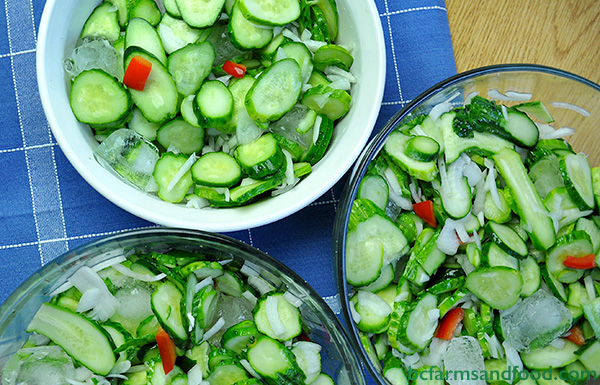
We searched in the stores and never found sweet pickles as good as these. Which is why it’s worth it to spend a few hours on a summer day, canning up enough Bread and Butter Pickles for winter.
read more…